
The Challenge for Lower-Limb Amputees
Lack of Sensory Feedback
Amputees rely heavily on vision and socket pressure to navigate, leading to instability and cognitive load.
Increased Fall Risk
Slower walking speeds, uneven gait patterns, and excessive strain on the intact limb are common consequences.
Discomfort & Pain
Users frequently experience bothersome vibrations and Phantom Limb Pain (PLP) that affects quality of life.
How TerraSense Works
Input
Piezoresistive sensors embedded in the TerraSense insole detect pressure as the user walks.
Processing
A small, wearable controller interprets the sensor data in real-time.
Output
The controller sends signals to a TENS unit, which delivers distinct haptic feedback to the user's residual limb.
Key Benefits
- Improved walking speed and gait symmetry
- Significant reduction in Phantom Limb Pain (PLP)
- Better adaptation to uneven terrain and stairs
- Increased confidence and mobility
- Less mental and physical fatigue
Current Status: Prototype Phase
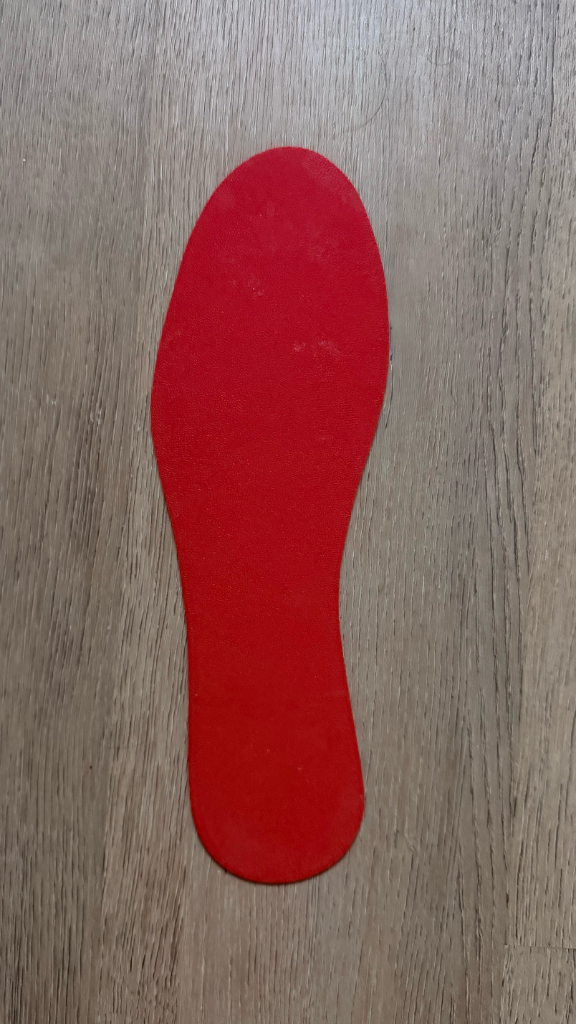
We have successfully developed a working prototype featuring a custom 3D-printed insole integrated with force-resistive sensors. These sensors are connected to an ESP32 microcontroller, which processes the data to generate a real-time visual representation of pressure distribution across the foot.
Successes & Failures
Successes
We were successful in getting the prototype to work, demonstrating the core concept of converting pressure data into haptic feedback.
Challenges
The current prototype is too bulky to be feasible for everyday use, highlighting the need for miniaturization and integration.